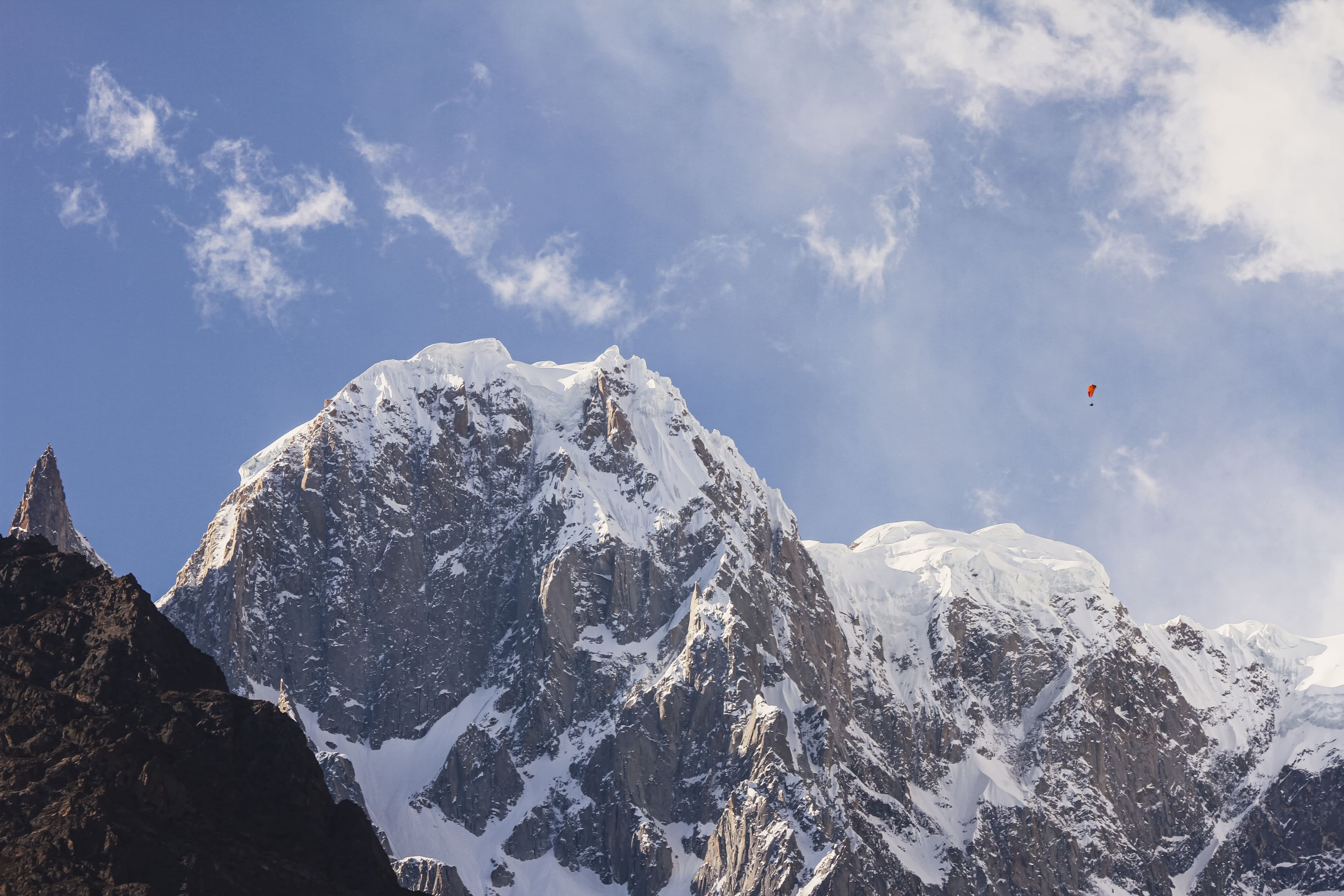
Hunza Valley
Apricot-blossomed villages cradled by 7,000-metre giants. Stay in centuries-old forts perched above the Hunza river.
Hunza Valley – The Crown Jewel of Northern Pakistan
Tucked away amidst the towering peaks of the Karakoram Mountains, Hunza Valley is one of Pakistan's most breathtaking travel destinations. Famous for its snow-capped mountains, turquoise rivers, historic forts, welcoming locals, and stunning landscapes, Hunza has become a dream destination for travelers from around the world.
Whether you're seeking adventure, cultural experiences, photography opportunities, or simply a peaceful escape into nature, Hunza Valley offers a perfect blend of all these elements. Every season paints the valley in different colors, making it a destination worth visiting throughout the year.
Often described as the heart of Gilgit-Baltistan, Hunza is a place where natural beauty and rich history come together to create an unforgettable travel experience.
Where is Hunza Valley?
Hunza Valley is located in the northernmost region of Pakistan within Gilgit-Baltistan. Situated along the legendary Karakoram Highway, the valley lies approximately 100 kilometers north of Gilgit and serves as a gateway to some of the world's highest mountain ranges.
The valley is surrounded by towering peaks, including several mountains exceeding 7,000 meters in height. Its strategic location along ancient trade routes made it an important stop for travelers and merchants moving between Central Asia, China, and the Indian subcontinent.
Today, Hunza is one of Pakistan's most visited tourist destinations and a highlight of any northern Pakistan itinerary.
Why Hunza Valley is So Famous
Hunza has earned international recognition for its extraordinary scenery and unique cultural heritage.
The valley is renowned for:
- Spectacular mountain views
- Historic forts and landmarks
- Crystal-clear lakes
- Friendly local communities
- Fruit orchards and terraced fields
- Adventure tourism opportunities
- Rich cultural traditions
- Scenic road trips along the Karakoram Highway
Many travelers consider Hunza one of the most beautiful mountain destinations in Asia.
The Magnificent Mountains of Hunza
One of Hunza's greatest attractions is its dramatic mountain landscape.
The valley is surrounded by some of the most iconic peaks in the Karakoram Range, including:
- Rakaposhi
- Ultar Sar
- Ladyfinger Peak
- Diran Peak
- Golden Peak
These majestic mountains dominate the skyline and create breathtaking views from almost every corner of the valley.
Sunrise and sunset are particularly magical when the peaks glow in shades of gold, pink, and orange.
Baltit Fort – A Window into History
Perched on a hill overlooking Karimabad, Baltit Fort is one of Hunza's most famous landmarks.
The fort, which is more than 700 years old, served as the residence of the rulers of Hunza for centuries. Its traditional architecture, wooden balconies, and strategic location offer visitors a fascinating glimpse into the region's history.
Today, the fort functions as a museum and cultural center, attracting visitors interested in the heritage of northern Pakistan.
The panoramic views from Baltit Fort are among the finest in the valley.
Altit Fort – The Oldest Heritage Site in Hunza
Another remarkable historical attraction is Altit Fort.
Believed to be over 900 years old, Altit Fort is one of the oldest monuments in Gilgit-Baltistan. The fort overlooks the Hunza River and showcases centuries of local architecture and craftsmanship.
The beautifully restored fort and surrounding village provide visitors with an authentic cultural experience and insight into traditional Hunza life.
Attabad Lake – Hunza's Turquoise Wonder
One of the most photographed attractions in Hunza is the stunning Attabad Lake.
Formed in 2010 following a massive landslide, the lake quickly became one of Pakistan's most iconic tourist destinations. Its vibrant turquoise waters stretch through a dramatic mountain valley, creating scenery that rivals some of the world's most famous alpine lakes.
Popular activities at Attabad Lake include:
- Boating
- Jet skiing
- Kayaking
- Photography
- Lakeside dining
The lake's striking colors and surrounding mountains make it a must-visit destination for every traveler exploring Hunza.
Eagle's Nest – The Best Viewpoint in Hunza
Located in the village of Duikar, Eagle's Nest is one of the most famous viewpoints in northern Pakistan.
From this elevated location, visitors can enjoy panoramic views of Hunza Valley and the surrounding mountain peaks.
The viewpoint is especially popular at sunrise and sunset when the changing light creates a spectacular display across the Karakoram Mountains.
Photographers often consider Eagle's Nest one of the finest landscape photography locations in Pakistan.
Passu and the Famous Passu Cones
A short drive from central Hunza leads travelers to the picturesque village of Passu.
The village is famous for the iconic Passu Cones, a series of sharp, pointed mountain peaks that have become one of Pakistan's most recognizable natural landmarks.
Nearby attractions include:
- Passu Glacier
- Passu Suspension Bridge
- Borith Lake
- Hussaini Suspension Bridge
The region offers numerous opportunities for hiking, photography, and adventure tourism.
The Warm Hospitality of Hunza
Beyond its landscapes, Hunza is known for the hospitality of its people.
Visitors frequently praise the kindness, friendliness, and welcoming nature of local communities. The region has a rich cultural identity influenced by centuries of trade and interaction with neighboring regions.
Traditional music, local festivals, handicrafts, and cuisine provide travelers with meaningful cultural experiences throughout their stay.
Local Cuisine of Hunza
Food is an important part of the Hunza travel experience.
Popular local dishes include:
- Chapshuro
- Mamtu
- Dowdo soup
- Diram Fitti
- Harissa
- Traditional Hunza bread
Fresh apricots, cherries, apples, walnuts, and other fruits are widely grown throughout the valley and play a central role in local cuisine.
Visitors often enjoy tasting organic produce sourced directly from local orchards.
Best Time to Visit Hunza Valley
Hunza is beautiful throughout the year, with each season offering unique experiences.
Spring (March to May)
Spring transforms the valley into a colorful paradise as apricot, cherry, and apple blossoms cover the landscape.
Summer (June to August)
Summer is ideal for sightseeing, trekking, and outdoor adventures. Pleasant weather and clear mountain views attract the highest number of visitors.
Autumn (September to November)
Autumn is considered one of the most beautiful seasons in Hunza. Golden, red, and orange leaves create stunning scenery across the valley.
Winter (December to February)
Winter brings snow-covered mountains and a peaceful atmosphere, making it a great time for travelers seeking solitude and winter landscapes.
How to Reach Hunza Valley
By Road
Most travelers reach Hunza via the Karakoram Highway from Islamabad. The scenic road journey passes through mountains, rivers, and valleys, offering spectacular views along the way.
By Air
Visitors can fly to Gilgit from Islamabad and then continue to Hunza by road, which typically takes around two to three hours.
Both options provide memorable travel experiences.
Adventure Activities in Hunza
Hunza offers a wide range of outdoor activities, including:
- Trekking
- Hiking
- Camping
- Rock climbing
- Mountain biking
- Boating
- Photography tours
- Cultural exploration
Adventure seekers will find countless opportunities to experience the natural beauty of the region.
Travel Tips for First-Time Visitors
To make the most of your trip, consider the following tips:
- Carry warm clothing regardless of the season.
- Book accommodations in advance during peak tourist months.
- Respect local customs and traditions.
- Stay hydrated at higher elevations.
- Bring a good camera to capture the stunning scenery.
- Allow extra time for weather-related travel delays.
Proper planning can significantly enhance your Hunza experience.
Responsible Tourism in Hunza
As tourism continues to grow, preserving Hunza's natural beauty is essential.
Travelers should:
- Avoid littering
- Support local businesses
- Respect cultural heritage sites
- Conserve water and resources
- Follow environmental guidelines
Responsible tourism helps protect the valley's unique charm for future generations.
Final Thoughts
It is an experience that stays with travelers long after they leave. From ancient forts and turquoise lakes to towering mountains and warm hospitality, every corner of the valley offers something remarkable.
Whether you're embarking on a road trip along the Karakoram Highway, watching the sunrise over snow-covered peaks, exploring centuries-old forts, or enjoying local cuisine in a mountain village, Hunza delivers memories that last a lifetime.
For anyone planning a journey to northern Pakistan, Hunza Valley is an essential destination and a true jewel of the Karakoram Mountains.