Khunjerab Pass
The world's highest paved border crossing at 4,693m. Yaks, ibex and a thin air that rewrites your sense of altitude.
Khunjerab Pass – Standing at the Roof of the World
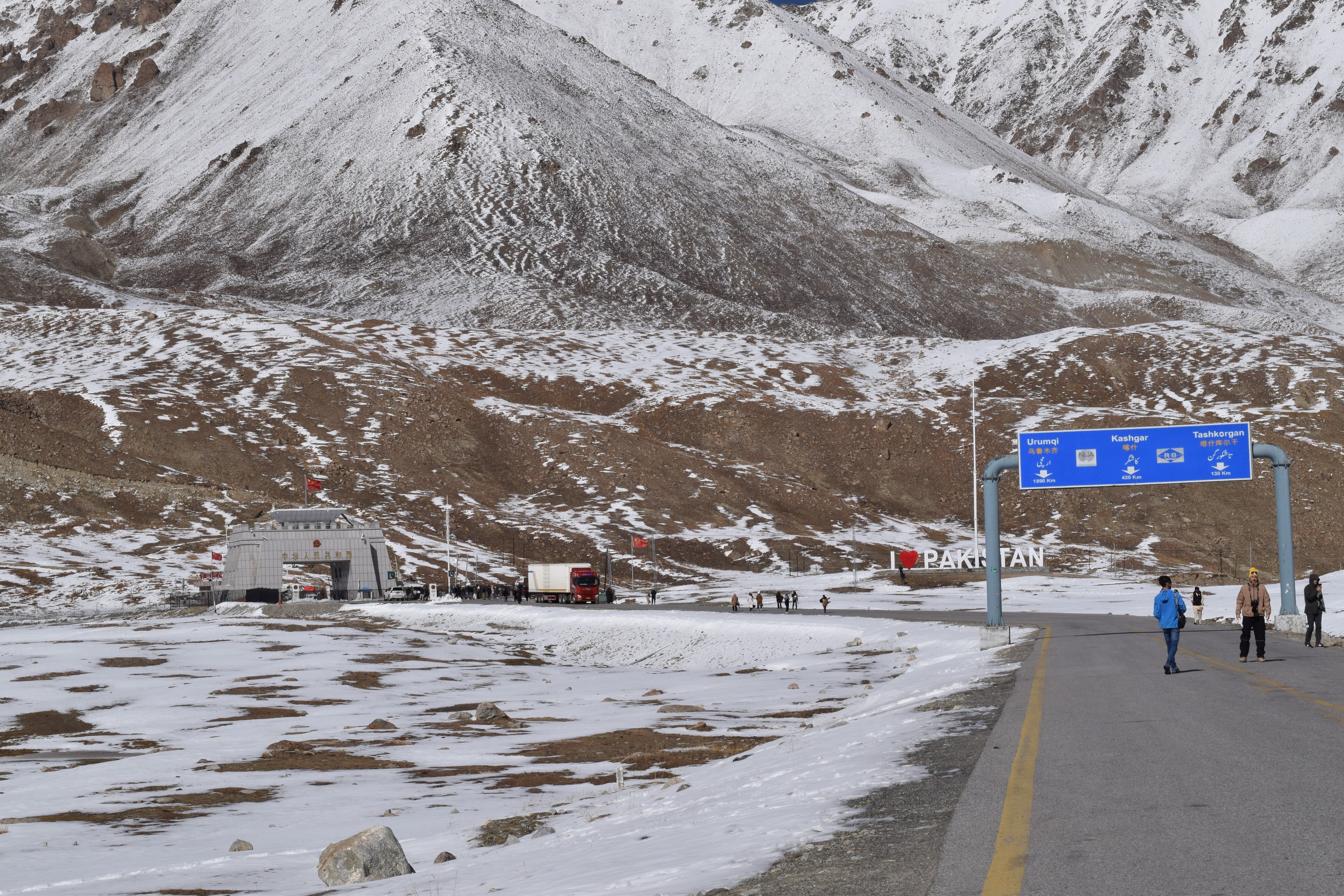
High in the rugged mountains of northern Pakistan lies one of the most spectacular border crossings on Earth—Khunjerab Pass. Perched at an astonishing altitude of 4,693 meters (15,397 feet) above sea level, this iconic destination marks the border between Pakistan and China and serves as the highest paved international border crossing in the world.
Surrounded by towering peaks, vast alpine landscapes, and pristine wilderness, Khunjerab Pass is far more than just a border checkpoint. It is a symbol of friendship, engineering achievement, and natural beauty that attracts thousands of travelers every year.
For anyone exploring the legendary Karakoram Highway, a visit to Khunjerab Pass is often the highlight of the journey.
Where is Khunjerab Pass?
Khunjerab Pass is located in the Hunza District of Gilgit-Baltistan, Pakistan, within the breathtaking Khunjerab National Park. The pass forms the official border crossing between Pakistan and China, connecting Pakistan's Karakoram Highway with China's Xinjiang region.
The pass lies approximately 90 kilometers from Sost, Pakistan's last major town before the border, and around 270 kilometers from Gilgit.
Its strategic location has made it one of the most important trade and tourism routes connecting South Asia with Central and East Asia.
The Meaning of Khunjerab
The name "Khunjerab" is believed to originate from the Wakhi language. Some interpretations suggest it means "Valley of Blood," while others associate it with a mountain stream or water source. Regardless of its origin, the name carries a sense of mystery that complements the dramatic landscape surrounding the pass.
Today, Khunjerab is recognized worldwide as one of the most scenic and unique mountain crossings on the planet.
Why Khunjerab Pass is Famous
Khunjerab Pass is renowned for several remarkable reasons:
- Highest paved international border crossing in the world
- Part of the famous Karakoram Highway
- Gateway between Pakistan and China
- Stunning mountain scenery
- Rich wildlife habitat
- Unique high-altitude experience
- Important trade corridor under the China-Pakistan Economic Corridor (CPEC)
Standing at the border gate, visitors often feel a profound sense of accomplishment, having traveled through some of the world's most dramatic mountain landscapes.
The Legendary Karakoram Highway Journey
The journey to Khunjerab Pass is often as memorable as the destination itself.
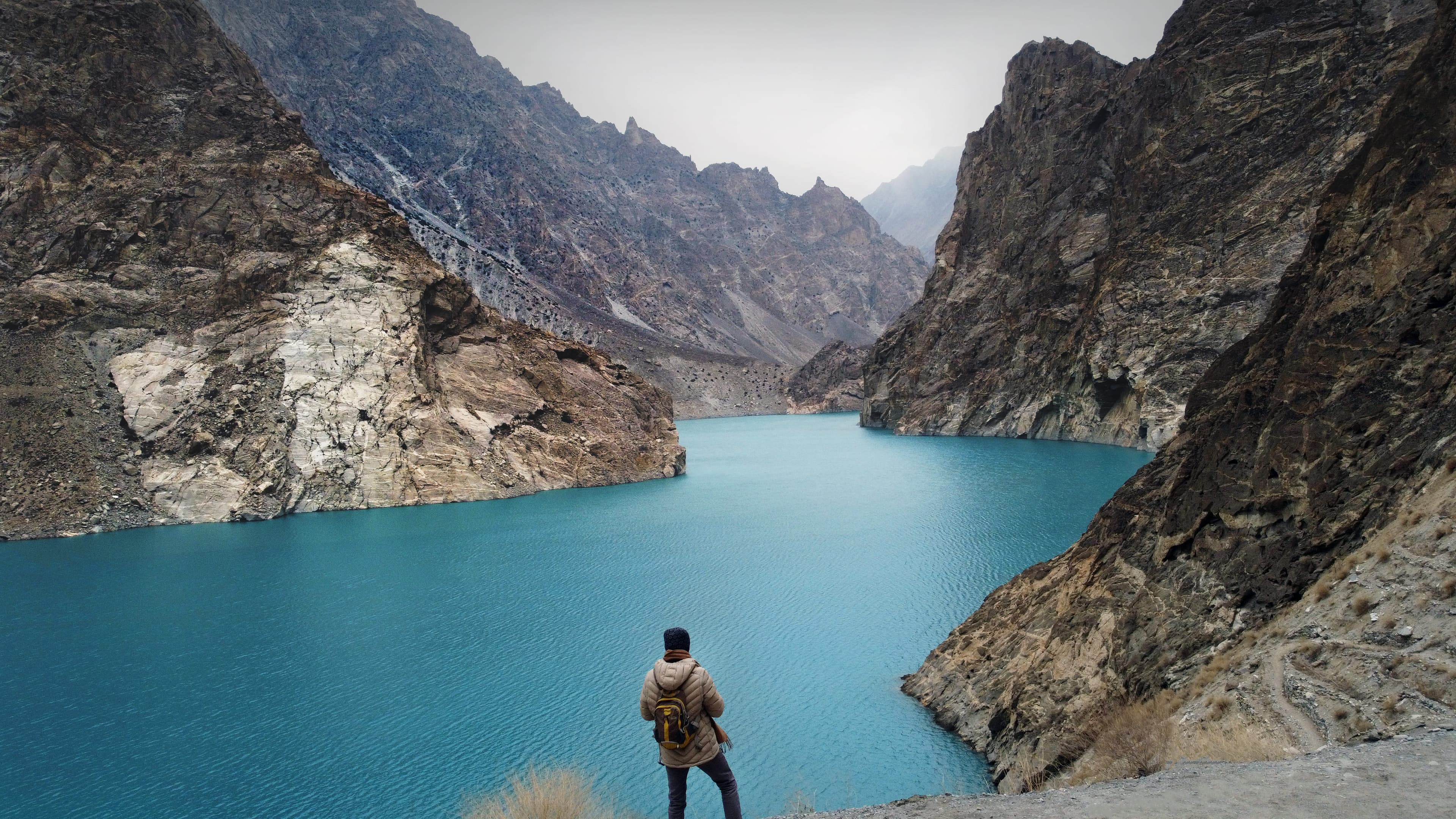
Known as the "Eighth Wonder of the World," the Karakoram Highway winds through deep valleys, alongside roaring rivers, and beneath towering peaks. Travelers pass through charming mountain towns including Gilgit, Hunza, and Sost before gradually ascending toward the border.
Every turn offers breathtaking views of glaciers, rugged cliffs, and snow-covered mountains that make the road trip an unforgettable adventure.
Many visitors consider the drive to Khunjerab Pass one of the most scenic road journeys in the world.
Khunjerab National Park
The pass lies within the boundaries of Khunjerab National Park, one of Pakistan's most important protected areas.
Established to conserve the region's fragile mountain ecosystem, the park covers thousands of square kilometers of alpine terrain and provides habitat for numerous rare wildlife species.
The park's vast grasslands, rocky slopes, and high-altitude plateaus create a landscape that feels untouched by modern civilization.
Wildlife of Khunjerab
Khunjerab National Park is a paradise for wildlife enthusiasts.
Some of the species found in the region include:
- Snow leopard
- Himalayan ibex
- Marco Polo sheep
- Blue sheep
- Tibetan wolf
- Red fox
- Golden eagle
- Lammergeier vulture
While spotting wildlife requires patience and luck, the possibility of encountering these magnificent animals adds excitement to every visit.
The region is particularly famous for sightings of Himalayan ibex grazing on distant mountain slopes.
The Pakistan-China Border Gate
One of the main attractions at Khunjerab Pass is the iconic Pakistan-China border gate.
Standing beside the gate offers visitors a rare opportunity to witness the meeting point of two nations surrounded by some of the highest mountains on Earth.
Tourists often pose for photographs beneath the national flags and commemorative signs marking the border crossing.
The atmosphere is both peaceful and inspiring, reflecting decades of friendship and cooperation between Pakistan and China.
Weather at Khunjerab Pass
Due to its extreme elevation, Khunjerab experiences harsh weather conditions throughout much of the year.
Summer (May to September)
Summer is the best time to visit. Temperatures remain relatively pleasant during the day, and roads are generally accessible.
Autumn (October)
The landscape takes on golden shades, creating stunning scenery for photographers.
Winter (November to April)
Heavy snowfall frequently closes roads and makes travel difficult. Temperatures often drop far below freezing, and the area becomes covered in snow.
Visitors should always check road conditions before planning a trip.
Best Time to Visit Khunjerab Pass
The ideal time to visit is between May and September.
During these months:
- Roads remain open
- Wildlife is more active
- Weather conditions are favorable
- Mountain views are clearer
- Tourism facilities operate regularly
July and August are particularly popular among domestic and international tourists.
How to Reach Khunjerab Pass
From Islamabad
Travelers can reach Gilgit-Baltistan via domestic flights or by road through the Karakoram Highway.
From Hunza
Most visitors stay in Hunza before making a day trip to Khunjerab Pass. The drive from Hunza takes approximately three to four hours, depending on road and weather conditions.
From Sost
Sost serves as the final major settlement before the border and acts as an important customs and trade hub.
The road from Sost to Khunjerab Pass offers some of the most dramatic scenery along the entire Karakoram Highway.
Photography Opportunities
Khunjerab Pass offers endless opportunities for photography enthusiasts.
Popular subjects include:
- The Pakistan-China border gate
- Karakoram Highway landscapes
- Snow-covered mountains
- Wildlife sightings
- Alpine meadows
- Sunrise and sunset views
- Vast high-altitude plains
The combination of dramatic terrain and changing weather creates spectacular conditions for landscape photography.
Important Travel Tips
Before visiting Khunjerab Pass, travelers should keep the following in mind:
- Carry warm clothing, even during summer.
- Stay hydrated to reduce the effects of altitude.
- Move slowly to avoid altitude sickness.
- Keep identification documents with you.
- Check road and weather conditions before departure.
- Bring snacks and water for the journey.
- Respect local regulations and border restrictions.
The high altitude can affect visitors differently, so proper preparation is essential.
Responsible Tourism
Khunjerab's environment is fragile and requires careful protection.
Visitors are encouraged to:
- Avoid littering
- Respect wildlife habitats
- Stay on designated roads and viewpoints
- Minimize noise pollution
- Support local communities
- Follow park regulations
Responsible tourism helps preserve this remarkable destination for future generations.
Final Thoughts
It is a place where nature, culture, history, and adventure come together in spectacular fashion. The journey through the Karakoram Highway, the breathtaking mountain scenery, and the experience of standing at one of the highest international borders in the world create memories that last a lifetime.
Whether you're a road-trip enthusiast, photographer, wildlife lover, or explorer seeking extraordinary destinations, Khunjerab Pass offers an unforgettable experience at the very edge of Pakistan.
A visit here is not simply a journey to a destination; it is a journey to the roof of the world.